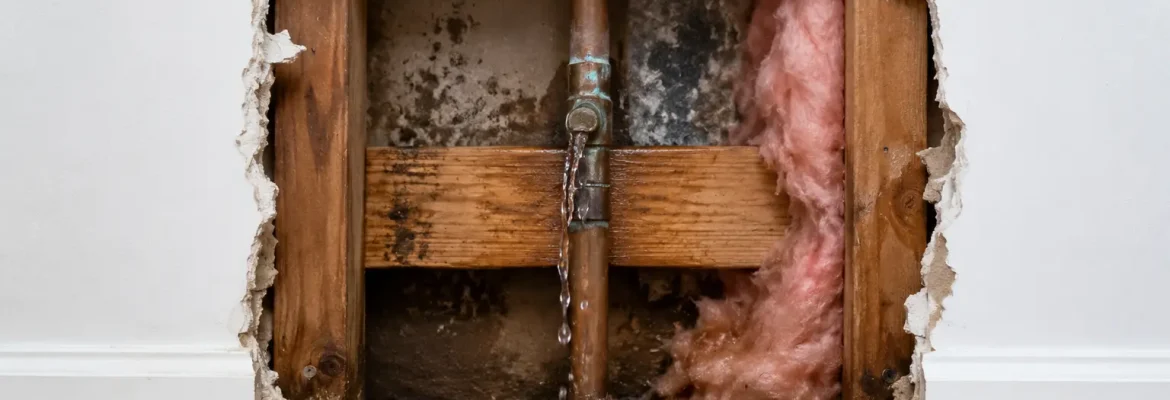
Some plumbing leaks make themselves obvious immediately. Water begins dripping beneath a sink, a pipe starts spraying in the basement or a puddle appears around a fixture, leaving little doubt that something needs to be repaired. Hidden water leaks are different because they can continue behind walls, beneath floors, inside cabinets or in other areas of the home without producing an obvious source that homeowners can easily identify.
For Barrie homeowners, recognizing the early warning signs of a hidden plumbing leak can make an enormous difference. The sooner escaping water is found, the better the opportunity to repair the plumbing before moisture begins affecting drywall, flooring, cabinetry, insulation and other parts of the home. Waiting until a ceiling stain becomes large or flooring begins to warp can mean the plumbing problem has already been active for considerably longer than you realized.
The good news is that hidden leaks often leave clues. Your home may begin looking, sounding or even smelling different before you ever see water dripping from a pipe. Knowing what to watch for can help you recognize when something deserves further investigation rather than assuming the change is simply part of normal wear inside the home.
This guide looks at ten of the most important warning signs Barrie homeowners should watch for and explains why seemingly minor changes can sometimes indicate water is escaping somewhere inside the plumbing system.
1. Your Water Bill Suddenly Increases Without An Obvious Reason
One of the first indications of a hidden plumbing leak may not appear inside your home at all. It may appear on your water bill. Household water consumption naturally changes from month to month, particularly when seasons change or when guests are staying in the home. However, if your family’s routine has remained relatively consistent and water consumption begins increasing without explanation, it is worth finding out why.
A plumbing leak does not need to release a dramatic amount of water at once to create significant waste. A small leak can continue throughout the day and night, gradually adding to your total consumption. Because the water may be disappearing behind a wall, beneath a fixture or directly into a drain, there may be no obvious puddle alerting you to the problem.
Running toilets are a particularly good example. Water can continuously move from the toilet tank into the bowl without spilling onto the bathroom floor. The toilet may occasionally refill itself even though nobody has used it, allowing clean water to be wasted without creating the type of visible leak most homeowners expect.
If your water usage has increased unexpectedly, compare recent bills and think about whether anything in the household has genuinely changed. If there is no reasonable explanation, the plumbing system should be considered as one possible source rather than allowing unusually high consumption to continue month after month.
2. Water Stains Begin Appearing On Walls Or Ceilings
A new stain on a ceiling or wall should never simply be painted over without determining why it appeared. Discolouration often means moisture has reached a surface that should normally remain dry. Depending on the location of the stain, that moisture could be associated with plumbing, a fixture above the area or another source that requires investigation.
The visible stain does not always identify the exact location of the leak. Water can travel along pipes, framing and building materials before reaching the point where it finally becomes visible. A ceiling stain underneath an upstairs bathroom, for example, may appear several feet away from the plumbing connection responsible for the moisture.
Pay attention to whether the stain changes after certain fixtures are used. If discolouration becomes darker after someone showers, drains a sink or flushes a toilet, that timing can provide useful information when the plumbing is inspected. Even a stain that appears to dry should not automatically be considered resolved because some leaks occur intermittently rather than continuously.
3. You Can Hear Water Running When Nobody Is Using It
Every home has normal plumbing sounds. Water moves through pipes when faucets are opened, toilets refill after flushing and appliances such as washing machines and dishwashers operate. The sound that deserves attention is water movement that continues when none of those things should be happening.
Choose a quiet moment when water-using fixtures and appliances are turned off and listen to the home. Persistent dripping, hissing or the sound of water moving behind a wall may indicate that something is still using or losing water. The sound alone does not tell you exactly what has failed, but it gives you a reason to investigate further.
A toilet can again be responsible for this symptom because a failing internal component may cause the tank to refill periodically. In other situations, unexplained water sounds may originate from plumbing that is not immediately visible. The important thing is recognizing when a new sound has appeared and determining why rather than simply becoming accustomed to it.
If the source appears to be a toilet that continues running or refilling by itself, Townhouse Plumbing provides
professional toilet repair services
to identify the cause and restore proper operation.
4. Paint Begins Bubbling, Peeling Or Changing Colour
Paint can provide an early visual warning that moisture is accumulating behind a finished surface. When water reaches drywall or another material behind the paint, adhesion can begin to fail. The surface may bubble, blister, peel or develop an unusual texture even though you cannot see any exposed water.
This type of change is particularly important when it appears unexpectedly in an area containing plumbing. A wall beside a bathroom, beneath an upstairs fixture or near kitchen plumbing deserves closer attention when the finish begins changing without an obvious explanation.
Repainting the area may temporarily hide the symptom, but it does nothing to correct the source of the moisture. If water is continuing to enter the wall, the new finish may eventually fail in exactly the same way. Identifying why the material became wet should therefore come before cosmetic repairs.
5. Your Home Develops A Persistent Damp Or Musty Smell
You do not always need to see moisture to know that an area is remaining damp. Sometimes your sense of smell provides the first warning. A persistent musty or damp odour in a bathroom, basement, cabinet or other part of the home may indicate moisture is present somewhere that is not receiving enough airflow to dry properly.
The key word is persistent. Bathrooms can temporarily smell damp after showers and basements can naturally feel different from upper floors, but an unexplained odour that remains or repeatedly returns deserves attention. Simply masking the smell with air fresheners does not address whatever is causing the area to remain damp.
If the smell is concentrated inside a vanity, underneath a kitchen sink or near another plumbing fixture, inspect accessible areas for moisture, staining, corrosion and changes in the surrounding materials. If everything visible appears dry but the odour continues, the source may be somewhere you cannot easily inspect.
6. Flooring Begins To Warp, Lift Or Feel Different
Flooring can hide water surprisingly well. Depending on the material and where the leak is located, moisture may spread underneath the finished surface before homeowners realize anything is wrong. Eventually the floor may begin changing shape, lifting at the edges, becoming discoloured or feeling different when walked on.
Changes near toilets, sinks, dishwashers, refrigerators with water connections and laundry equipment deserve particular attention because plumbing is already present in those areas. The visible flooring problem may be the result of moisture travelling from a nearby connection rather than water entering exactly where the damage first appears.
A bathroom floor around a toilet should remain dry during normal operation. If moisture repeatedly appears around the base, or the flooring begins showing signs of water exposure, wiping the area and continuing to use the fixture is not a long-term solution. The source should be identified before additional flooring or subfloor materials are affected.
7. Cabinets Or Vanities Begin Swelling Or Deteriorating
The space underneath a sink is one of the easiest locations for a small leak to remain unnoticed. Homeowners often store cleaning products, toiletries and other household items inside these cabinets, which can hide the bottom surface and plumbing connections from view. A slow leak can therefore continue until the cabinet material itself begins showing damage.
Swelling, staining, peeling finishes or a soft cabinet floor can all indicate previous or ongoing moisture exposure. You may also notice corrosion or mineral deposits around plumbing connections, which can provide additional clues that water has been escaping.
Periodically emptying the area beneath kitchen and bathroom sinks makes inspection much easier. Run the faucet, allow the sink to drain and look carefully around accessible supply and drain connections. If moisture appears during use, avoid assuming that tightening random fittings will necessarily solve the problem because the correct repair depends on which component is actually leaking.
For homeowners updating an older bathroom, professional
bathroom sink installation and replacement services
can ensure new fixture connections are properly completed rather than placing a new vanity around an existing plumbing problem.
8. Water Pressure Changes Unexpectedly
A noticeable change in water pressure can have several possible causes, and a hidden leak is only one of them. However, when pressure suddenly becomes different without any known work being performed on the plumbing system, the change should not automatically be ignored.
The location of the pressure change can also provide useful information. If only one faucet is affected, the issue may be associated with that individual fixture. If several fixtures begin behaving differently at approximately the same time, the cause may involve another part of the plumbing system.
Rather than immediately assuming the worst, treat unexpected pressure changes as another piece of information about how the system is behaving. When combined with other symptoms such as unexplained water usage, moisture or water sounds, professional inspection becomes increasingly worthwhile.
9. You Find Moisture Beneath Plumbing That Normally Stays Dry
Accessible plumbing gives homeowners one of the best opportunities to catch leaks early. Pipes beneath sinks, basement plumbing, shut off valves and laundry connections should not normally remain wet. If you notice droplets, dampness, corrosion or mineral deposits developing around these components, take the change seriously even if the amount of water seems small.
A leak around a shut off valve deserves particular attention because that valve may eventually be needed to control water during another plumbing repair. A valve that is already leaking, heavily corroded or difficult to operate may not provide dependable control when you actually need it.
Townhouse Plumbing provides
shut off valve replacement services
for valves that have become damaged, seized, corroded or unreliable.
10. The Water Meter Shows Usage When Everything Is Turned Off
Your water meter can provide another useful clue when you suspect water is being used somewhere unexpectedly. If all faucets, toilets, water-using appliances and other known fixtures are inactive but the meter continues registering water use, there may be consumption occurring somewhere that has not been accounted for.
This type of check is most useful when performed carefully because appliances, toilets and automatic household systems can sometimes use water without someone actively standing at a faucet. Make sure you understand what equipment in the home may be operating before concluding that meter movement confirms a plumbing leak.
If everything that should use water has been accounted for and consumption still appears to continue, professional investigation can help determine whether water is escaping somewhere within the plumbing system.
Several Warning Signs Together Deserve Even More Attention
Any individual symptom discussed in this guide can potentially have more than one explanation. A musty smell does not automatically prove that a pipe is leaking, and a change in water pressure does not automatically mean water is escaping behind a wall. What becomes particularly important is when several symptoms begin appearing together.
An unexplained increase in water usage combined with the sound of running water deserves more attention than either symptom alone. A ceiling stain that continues growing while a bathroom above it is being used provides another important pattern. Swollen cabinetry accompanied by moisture around plumbing connections gives homeowners a much stronger reason to suspect a plumbing problem.
The objective is not to diagnose the entire plumbing system yourself. It is to recognize when enough evidence exists that continuing to wait no longer makes sense.
What Should You Do If You Suspect A Hidden Water Leak?
If you suspect a hidden leak, begin with the areas you can inspect safely. Look underneath sinks, around toilets, near laundry connections, along accessible basement plumbing and around visible shut off valves. Pay attention to where moisture appears and whether it changes when particular fixtures are used. This information can be useful when a plumber evaluates the problem.
Avoid unnecessarily opening walls, floors or ceilings simply because you suspect the leak may be hidden there. Water can travel away from its original source, so damaging the surface directly beside a stain does not guarantee you will find the plumbing failure behind it. Proper diagnosis should come before unnecessary demolition.
If water is actively escaping and the affected fixture has a functioning shut off valve, isolating the water supply can help prevent additional damage. For a significant leak that cannot be isolated, knowing how to shut off the home’s main water supply becomes especially important.
For a much broader explanation of leak detection, prevention, seasonal risks and what homeowners should do during active leaks, read our
complete guide to water leaks in Barrie homes.
Do Not Wait For A Hidden Leak To Become Visible Water Damage
One of the most expensive mistakes homeowners can make is waiting for absolute proof before responding to repeated warning signs. By the time water is dripping through a ceiling or spreading across a floor, the plumbing problem may already have affected materials that were hidden from view.
Finding a leak earlier gives you more control. Instead of responding to an emergency and repairing everything the water has reached, you may be able to correct the plumbing problem while the surrounding home remains largely unaffected. That is why changes in water usage, unexplained moisture, stains, unusual sounds and deterioration around plumbing should be treated as useful warnings rather than minor inconveniences.
If you suspect water is escaping somewhere inside your Barrie home, Townhouse Plumbing’s
professional leak repair services
can help identify the source and determine the appropriate repair before a small plumbing problem develops into more extensive property damage.
Need Help Finding A Water Leak In Your Barrie Home?
You do not have to wait until you can physically see water pouring from a pipe before calling a plumber. If your home is showing several of the warning signs discussed above, or something about your plumbing simply does not seem normal, having the problem assessed early can prevent unnecessary uncertainty and potentially much larger repairs.
Townhouse Plumbing helps Barrie homeowners identify and repair plumbing leaks ranging from accessible fixture and valve problems to more difficult water leaks that are not immediately obvious. Our goal is to find the source, explain what is happening and recommend the appropriate repair rather than allowing homeowners to continue managing symptoms without resolving the underlying problem.
If water is actively escaping, spreading quickly or cannot be safely controlled, the situation may require more immediate attention. In those circumstances, our
emergency plumbing services
can help when waiting could result in additional damage to your home.
If you have noticed a higher water bill, unexplained stains, damp areas, unusual plumbing sounds or any other sign that water may be escaping inside your home, contact Townhouse Plumbing and have the problem properly investigated before a hidden leak has more time to cause damage.