Serving Barrie, Bradford and the GTA
Call Us : 249-288-3378
Get A Free Quote Email Us Now

Barrie Plumber
Emergency Plumbing Service
Townhouse Plumbing is your trusted local plumber for all residential plumbing needs. We offer expert repair, installation, and maintenance services with same-day availability and upfront pricing.
Contact Us
Serving Barrie, Bradford and the GTA
Open 24 Hours
Call Us : 249-288-3378
Get A Free Quote Email Us Now
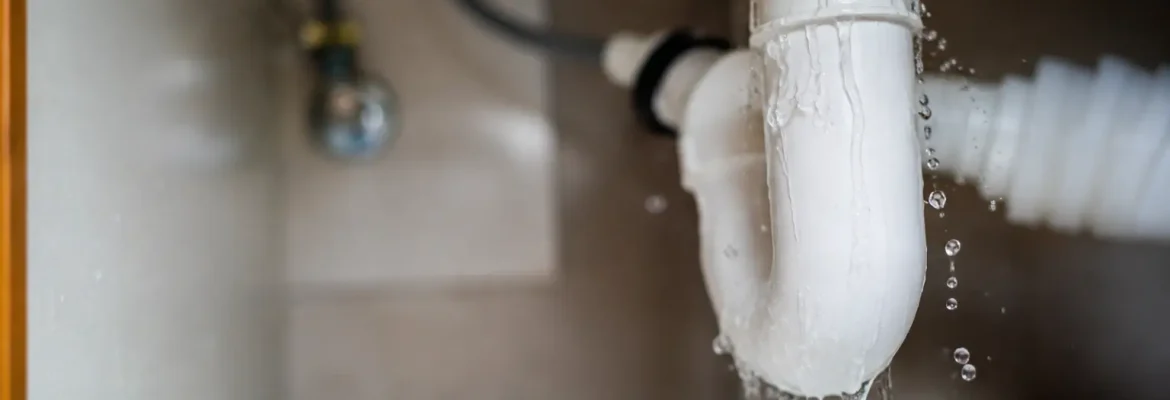
Hidden water leaks can be frustrating because homeowners often know something is wrong long before they know exactly where the problem is located. There may be no obvious dripping pipe or puddle of water to follow. Instead, the first indication may be a change in the appearance, smell or behaviour of an area inside the home. Paying attention to those changes can help you identify a possible plumbing problem before moisture has enough time to cause extensive damage.
Water stains are one of the most recognizable warning signs. A yellow, brown or darker patch appearing on drywall or a ceiling usually means moisture has reached an area that should remain dry. Even if the stain eventually stops growing, that does not necessarily mean the original problem has disappeared. Plumbing leaks can be intermittent, particularly when they are connected to fixtures that are only used at certain times of the day.
Paint and drywall can also provide clues. Moisture trapped behind a finished surface may cause paint to bubble, peel or separate from the wall. Drywall can become soft, swollen or discoloured as it absorbs water. Around bathroom vanities and kitchen cabinets, homeowners may notice wood products beginning to swell or change shape. These symptoms should be investigated rather than simply painted over or covered with new finishes because cosmetic repairs do not address the source of the moisture.
Another warning sign is a persistent damp or musty smell. If an area of your home smells damp even though you cannot see any water, moisture may be collecting somewhere that is not immediately visible. The important question is not simply how to remove the smell, but why that area is remaining damp in the first place. Finding and correcting the source is what prevents the problem from continuing.
Your ears can sometimes identify a plumbing problem before your eyes do. When faucets, toilets, washing machines, dishwashers and other water-using fixtures are turned off, the plumbing system should generally become quiet. If you continue hearing dripping, hissing or the sound of water moving through pipes when nobody is using water, it is worth determining why.
Not every plumbing sound indicates a leak, and pipes can naturally make noises as temperatures and water pressure change. The concern is a new or persistent sound that cannot be connected to normal household water use. If you regularly hear water movement behind a wall, underneath a floor or near a fixture when everything is supposed to be off, having the system inspected is much safer than waiting for visible damage to confirm that something is wrong.
Toilets deserve particular attention because they can continue using water without creating any visible water damage. A worn internal component can allow water to move continuously from the tank into the bowl. The homeowner may hear the toilet periodically refilling even though nobody has used it. That may seem like a small annoyance, but it can represent continuous water waste and should be repaired rather than accepted as normal behaviour.
Bathrooms and kitchens naturally contain water, which sometimes makes plumbing leaks easier to overlook in these areas. A few drops around a sink may be blamed on someone washing their hands, while moisture inside a vanity may go unnoticed because the cabinet is rarely inspected. The important distinction is whether water is appearing because of normal use or because a plumbing connection is allowing water to escape.
Underneath a sink, several components can potentially develop problems. Water supply connections deliver pressurized water to the faucet, while the drain assembly carries used water away. Shut off valves provide control over the water supply, and seals around the sink and faucet help keep water from reaching areas where it does not belong. A problem with any of these components can create moisture beneath or around the fixture.
Homeowners should occasionally remove stored products from underneath sinks and inspect the cabinet surface, plumbing connections and surrounding areas. Look for moisture, staining, corrosion, swollen cabinet material or evidence that water has previously dried in the area. Catching a small connection leak at this stage can be considerably easier than discovering it after the bottom of the vanity has deteriorated.
If you are replacing or renovating a bathroom vanity, proper plumbing installation becomes even more important. Townhouse Plumbing provides professional bathroom sink installation to ensure water supply and drainage connections are properly completed when new fixtures are installed.
Water around a toilet should always be investigated because several different issues can produce similar symptoms. Sometimes water has simply splashed onto the floor, but repeated moisture around the base may indicate a plumbing or sealing problem that requires attention. Continually wiping the floor without identifying why the water keeps returning allows moisture to reach flooring and surrounding materials.
A toilet contains both a pressurized water supply and a drainage connection, so determining where the water originates matters. The supply line, shut off valve, tank connections and internal components can all develop problems, while failure around the base of the toilet can allow water to appear during or after flushing.
If the toilet moves or rocks when someone sits on it, that should also be investigated. Toilets are designed to remain securely positioned. Movement can place additional stress on connections and seals, potentially allowing problems to develop over time.
Professional toilet repair services can determine why the fixture is leaking, running, moving or failing to flush correctly and address the actual cause rather than repeatedly treating the visible symptom.
The laundry room is another area where homeowners should remain aware of potential water problems. Washing machines require water supply connections and drainage, and laundry tubs contain many of the same plumbing components found beneath kitchen and bathroom sinks. Because these fixtures may operate frequently, a small weakness in a connection can eventually become a much larger problem.
Laundry rooms are also frequently located in basements or areas of the home where homeowners may not immediately notice a small amount of water. A slow leak behind an appliance can continue for some time before moisture reaches a visible area. Periodically checking accessible connections and the floor around the washing machine can help identify changes before significant damage occurs.
A laundry tub should also drain freely and remain dry around its plumbing connections. If the existing tub is cracked, leaking, badly worn or no longer properly connected, Townhouse Plumbing’s laundry tub replacement and installation services can restore a practical and dependable utility sink to the space.
A slow drain is not technically the same problem as a leaking water supply pipe, but drainage problems can still result in water appearing where it should not. When water cannot move freely through a drain, it may collect inside a sink, tub or shower. A severe blockage can cause water to back up, while compromised drain connections can allow water to escape underneath a fixture whenever that fixture is used.
This is one reason homeowners should pay attention to the timing of a leak. If water only appears beneath a sink while the faucet is running and the basin is draining, the source may be associated with the drain assembly rather than the pressurized supply line. If water appears regardless of whether the fixture is being used, the diagnosis may be different.
Repeatedly treating a slow drain with household products without understanding the cause can also postpone a problem rather than resolve it. Hair, soap residue, grease, food particles and other material can gradually restrict drainage until normal water flow becomes difficult.
When drainage has become slow or repeatedly blocked, professional drain snaking services can clear the obstruction and restore proper flow through the affected drain.
Discovering water unexpectedly entering your home can be stressful, but your first priority should be reducing the amount of additional water that can escape. If the source is connected to a fixture with an accessible and functioning shut off valve, isolating that fixture may stop the immediate flow. If the leak is significant or you cannot determine where the water is coming from, shutting off the home’s main water supply may be necessary.
Once the water supply has been controlled, protect the surrounding area where it is safe to do so. Move belongings away from the water, contain accessible moisture and avoid using plumbing fixtures that appear connected to the problem. If water is near electrical equipment, outlets or other potential hazards, do not place yourself at risk attempting to investigate the leak.
Taking photographs of visible water and damage can also be useful before cleanup begins, particularly when the incident has affected building materials or personal property. The plumbing problem itself should then be professionally assessed so the source can be identified and repaired before the water supply is fully returned to normal operation.
The most important thing is not to become distracted by cleaning up the visible water while the plumbing continues releasing more of it. Stopping the source comes first. Once the leak has been controlled, attention can turn to repairing the plumbing and properly drying any affected areas.
A plumbing problem becomes urgent when water is actively escaping in a way that threatens your home, cannot be safely controlled or prevents essential plumbing from being used. A burst pipe is an obvious example, but it is not the only situation where waiting for a regular appointment may be inappropriate. A rapidly spreading ceiling leak, significant water entering a basement, a failed supply connection or a leak that cannot be isolated can all require immediate professional attention.
Plumbing emergencies rarely happen when it is convenient. They can occur late at night, early in the morning, during family gatherings, on long weekends or just before guests arrive. The timing does not change the basic priority, which is to stop the water and prevent the affected area from becoming larger.
If you are dealing with an active leak that cannot safely wait, Townhouse Plumbing’s emergency plumbing services provide Barrie homeowners with professional assistance when a plumbing failure requires immediate attention.
When homeowners discover a small leak, the temptation to apply a quick temporary fix is understandable. A container may be placed underneath the pipe, a fitting may be tightened or the area may be wrapped with a product intended to slow the water. In a genuine emergency, temporarily containing water while arranging professional help can be useful. The mistake is allowing that temporary measure to become the permanent repair.
A bucket underneath a leaking pipe does not repair the pipe. It only collects some of the water after the plumbing system has already failed to contain it. The same applies to repeatedly wiping moisture from beneath a fixture or ignoring a valve that only leaks when it is moved. These approaches can create the impression that the situation is under control while the underlying component continues deteriorating.
The safest long-term solution is to determine why the plumbing is leaking and repair the actual failure. Depending on the situation, that may involve replacing a worn seal, repairing a section of pipe, correcting a connection, replacing a damaged valve or addressing another plumbing component. Proper diagnosis prevents homeowners from spending months managing symptoms that could have been resolved much earlier.
You do not need specialized plumbing knowledge to become more aware of how your home normally behaves. Knowing where your main shut off valve is located, occasionally looking beneath sinks, paying attention to your water consumption and noticing changes in water pressure, drainage or fixture performance can provide valuable early warnings.
It is also helpful to think about the areas of your home that you rarely inspect. Plumbing located in a finished basement ceiling, underneath stored items, behind appliances or inside cabinets can remain out of sight for long periods. Making these areas part of occasional household checks takes very little effort and can reveal moisture before it has had months to spread.
Barrie homeowners should pay additional attention as winter approaches and during periods of extreme cold. Plumbing in vulnerable areas may require preventative attention before temperatures fall significantly. If you have experienced frozen plumbing previously, that history is especially important because the same area may remain vulnerable unless the underlying cause has been addressed.
Preventative plumbing is not about worrying that every pipe in your home is about to fail. It is about recognizing that water damage becomes much easier and less expensive to manage when the source is discovered early. A few minutes of awareness today can prevent a much more disruptive plumbing emergency later.
Most homeowners do not need to inspect their plumbing every week, but developing a simple habit of checking vulnerable areas can make a meaningful difference. Plumbing leaks often become expensive because they are allowed to continue unnoticed, not because the original failure was particularly complicated. Looking underneath sinks, around toilets, near laundry connections and along accessible basement plumbing occasionally gives you an opportunity to notice moisture, corrosion or deterioration while the problem is still manageable.
Pay particular attention to areas where plumbing enters cabinets, walls or floors. These transition points can hide moisture surprisingly well because water may disappear into surrounding materials rather than forming an obvious puddle. If the bottom of a vanity feels soft, paint begins changing colour, flooring starts lifting or an area repeatedly feels damp, there is usually a reason. Investigating the cause is more important than simply repairing the visible finish.
It is also worth looking at plumbing components that are rarely touched. Shut off valves, supply lines and connections may remain in the same position for many years, which makes it easy to assume they are still in good condition. Visible corrosion, mineral deposits or moisture around these components can indicate deterioration that deserves attention before the part is needed during an emergency.
Barrie’s climate makes seasonal awareness an important part of protecting residential plumbing. Winter naturally receives the most attention because freezing temperatures can affect vulnerable pipes, but homeowners should think about plumbing throughout the year. Spring provides an opportunity to inspect areas that may have been affected during winter, while fall is an ideal time to identify vulnerable plumbing before prolonged freezing temperatures return.
If part of your plumbing has frozen in the past, do not assume the problem was permanently solved simply because the pipe thawed and water began flowing again. The same location may remain vulnerable the following winter, and freezing can weaken plumbing even when a dramatic burst does not occur immediately. Understanding why that section became cold enough to freeze can help prevent the same situation from happening again.
Seasonal changes can also expose existing weaknesses. Connections that have already deteriorated may begin leaking after temperature changes, while plumbing in unfinished or poorly insulated areas may experience conditions very different from the comfortable temperature inside the main living areas of the home.
Preparing ahead of winter is generally much easier than responding to water spreading through your home during an extreme cold spell. If you have concerns about plumbing that has previously frozen, Townhouse Plumbing’s burst and frozen pipe services can help identify and repair affected plumbing before a small weakness becomes a larger water leak.
It is tempting to think of plumbing leaks primarily as an older-home problem. Age certainly matters because pipes, valves, seals and connections experience wear over time, but the age of a property alone does not determine whether a leak can occur. Newer homes contain many of the same types of fixtures, connections and water supply components, and any plumbing system can develop a problem if something becomes loose, damaged, improperly sealed or exposed to conditions it was not designed to withstand.
In older homes, homeowners may need to pay closer attention to components that have been in service for many years. Valves may become difficult to operate, fittings can corrode and previous repairs or renovations may have introduced plumbing of different ages throughout the property. One part of the system may have been replaced recently while another section remains considerably older.
Newer properties benefit from modern materials and installation standards, but homeowners should still watch for changes. A leaking fixture connection, damaged supply line or plumbing affected by freezing temperatures can cause water damage regardless of when the house was built. The safest approach is therefore not to assume that a home is protected because it is new, but to respond whenever the plumbing begins behaving differently than expected.
Renovations provide homeowners with a valuable opportunity because areas that are normally hidden may temporarily become accessible. When a bathroom vanity, sink or other fixture is being replaced, it makes sense to consider the condition of the plumbing connections surrounding it rather than focusing exclusively on the appearance of the new fixture.
A beautiful bathroom can quickly become frustrating if a poorly completed plumbing connection begins leaking beneath the new vanity. Proper installation means ensuring water supply connections are secure, drainage is correctly configured and the fixture performs properly before the renovation is considered complete.
If an older sink is being removed as part of an update, professional bathroom sink installation and replacement can help ensure the plumbing behind the finished renovation receives the same attention as the surfaces everyone can see.
When a leak has been active for some time, homeowners may actually be dealing with two separate problems. The first is the plumbing failure that allowed water to escape. The second is the effect that water has had on the surrounding property. Repairing the pipe, valve, fixture or connection stops additional water from entering the area, but materials that have already become wet may still require appropriate drying, assessment or restoration.
This distinction matters because a wall can look relatively normal on the surface while moisture remains behind it. Similarly, flooring or cabinetry may have absorbed water before the leak was discovered. Once the plumbing problem has been corrected, homeowners should consider the extent of the moisture exposure rather than assuming everything is resolved simply because the dripping has stopped.
The earlier a leak is found, the less likely it is that the situation will progress this far. This is another reason we consistently encourage homeowners to respond to warning signs while they are still small. The objective is not simply to stop water from dripping. It is to stop the problem early enough that the rest of the home remains protected.
There is nothing wrong with a homeowner performing basic observations. Checking underneath a sink, determining whether a toilet is running or locating the main water shut off can provide useful information. The point where troubleshooting should stop is when identifying or accessing the problem requires work beyond what can be done safely and confidently.
If water is actively escaping, the source cannot be identified, the leak is concealed behind a finished surface, plumbing has frozen or a repair involves pressurized water connections that you are not comfortable working with, professional help is usually the safer choice. The same applies when a problem repeatedly returns after a temporary adjustment. Recurring plumbing problems often indicate that the symptom has been addressed without correcting the underlying cause.
There is also value in calling before the situation becomes urgent. Scheduling a repair for a suspicious leak is considerably easier than arranging emergency service after water has begun spreading through the home. Homeowners often postpone plumbing work because they hope the problem will remain small, but water does not become less damaging simply because a leak is happening slowly.
No homeowner can guarantee that a plumbing component will never fail, but many serious water-loss situations can be reduced through awareness and timely maintenance. Know where your main water shut off is located and make sure it remains accessible. Pay attention to unusual increases in water consumption. Look beneath sinks and around toilets periodically, and do not ignore recurring moisture simply because the amount of water appears small.
During winter, remain particularly alert to plumbing in colder areas of the home. If water flow suddenly decreases or stops during extreme cold, investigate the situation rather than assuming it will safely correct itself. When renovating bathrooms or laundry areas, use the opportunity to have plumbing connections properly installed and inspect accessible components before everything is covered again.
Most importantly, respond to changes. Plumbing systems tend to be predictable when they are operating correctly. A toilet that suddenly begins running, a cabinet that becomes damp, a new stain on the ceiling, unexplained water consumption or a valve that begins leaking is telling you something has changed. Finding out why is usually much less expensive than waiting to see how serious the problem becomes.
The cost of a plumbing leak should never be measured only by the price of replacing the component that failed. A relatively inexpensive plumbing repair can become a significant household expense when water is allowed to reach finished areas of the home. Drywall, insulation, flooring, cabinetry, ceilings and personal belongings can all be affected depending on where the leak occurs and how long it continues.
This is why delaying a repair rarely saves money when there is genuine evidence of a leak. The plumbing problem does not benefit from additional time, and the surrounding property certainly does not benefit from continued exposure to moisture. Early diagnosis gives the plumber more opportunity to address the source before the homeowner is also dealing with extensive damage around it.
For Barrie homeowners, the practical approach is simple. If you can see a leak, investigate it. If you can hear unexplained water movement, investigate it. If your water usage changes significantly without explanation, investigate it. If part of your home is suddenly showing signs of moisture, investigate it. You do not need to assume the worst, but you should give yourself the opportunity to catch the problem while it is still relatively small.
Hidden leaks often produce indirect warning signs rather than an obvious puddle. Watch for unexplained increases in water consumption, stains on walls or ceilings, damp or musty smells, bubbling paint, warped materials, moisture underneath cabinets or the sound of water moving when fixtures are not being used. Any one symptom can have several possible causes, but persistent or unexplained changes deserve investigation.
Not every small drip requires emergency service, but no active plumbing leak should simply be ignored. A controlled leak from an accessible fixture may allow time to arrange a regular repair, while rapidly escaping water, a burst pipe, a leak that cannot be isolated or water threatening significant property damage can require immediate attention. The amount of water, location of the leak and your ability to safely stop the flow all matter.
If it can be done safely, stop the water supply as quickly as possible using the appropriate shut off valve or the home’s main water shut off. Keep people away from areas where water may create electrical or structural hazards, move belongings away from the affected area where practical and contact a professional plumber. Once the source has been controlled, the extent of water exposure can be properly assessed.
Yes. A toilet can continuously lose water into the bowl without creating a puddle on the bathroom floor, which makes this type of problem particularly easy to overlook. If a toilet regularly refills by itself, continues running after flushing or behaves differently than normal, having it repaired can prevent unnecessary water waste.
A leak that appears specifically while a sink is being used may be associated with drainage components, seals or another connection affected when water passes through the fixture. A pressurized supply leak may behave differently because those lines contain water even when the faucet is turned off. A plumber can inspect the fixture and determine which part of the system is responsible.
Yes. Freezing can damage a pipe while ice temporarily prevents water from escaping through the damaged area. Once temperatures rise and normal water flow returns, a crack or split may begin leaking. This is why plumbing that has frozen should be monitored carefully even after water begins flowing again.
The most important lesson for homeowners is that plumbing leaks rarely improve by being ignored. A small amount of water appearing today may remain small for a while, or it may be the first visible sign of a problem that has already been developing somewhere you cannot see. Waiting for the situation to become obvious usually means waiting until more of the home has been affected.
The better approach is to act while you still have choices. Investigate unusual moisture, keep important shut off valves accessible, pay attention to changes in your water usage and address plumbing components that are no longer operating properly. These simple habits help turn potential emergencies into manageable repairs.
Townhouse Plumbing works with Barrie homeowners dealing with everything from small fixture leaks and troublesome toilets to frozen pipes, damaged valves and urgent plumbing failures. Our focus is on identifying the actual source of the problem, explaining what needs to be repaired and helping protect your home from unnecessary water damage.
If you have discovered water where it should not be, noticed signs of a hidden leak or simply have concerns about something happening within your plumbing system, do not wait for visible damage to tell you the problem has become serious. Having the issue inspected early can give you a clearer understanding of what is happening and, in many cases, significantly reduce the amount of work required to correct it.
For active leaks and routine plumbing concerns, Townhouse Plumbing can help identify the source and provide the appropriate repair. If water is escaping rapidly, a pipe has burst or the situation cannot safely wait, our emergency plumber services are available when immediate professional attention is required.
Protecting your home from water damage begins with responding to the first warning signs rather than the last. If something does not look, sound or behave normally, contact Townhouse Plumbing and have the problem properly assessed before a small plumbing leak has the opportunity to become a much larger repair.