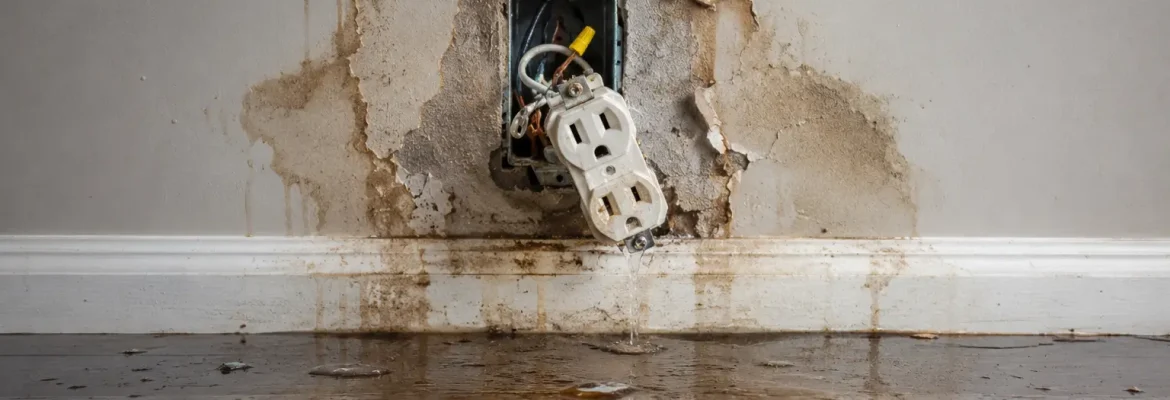
Finding water somewhere inside your home where it should not be can immediately create concern. You may discover water underneath a bathroom sink, notice a wet area spreading across the basement floor, see water dripping through a ceiling or suddenly realize that a pipe connection is actively leaking. Whatever the situation, the decisions you make during the first few minutes can have a significant effect on how much additional water reaches your home.
For Barrie homeowners, the first priority is not determining exactly how much the plumbing repair will cost or attempting to diagnose every component yourself. Your immediate objective should be controlling the water, protecting people and property where it is safe to do so, and determining whether the situation requires urgent professional assistance. Once the flow of water has been stopped or contained, the source can be properly investigated and repaired.
Some water leaks are relatively straightforward and can be isolated at an individual fixture. Others can release significant amounts of water quickly and require the home’s main water supply to be shut off. Understanding the difference and knowing what to do before an emergency occurs can help you respond calmly when every additional minute matters.
First, Determine Whether Water Is Still Actively Escaping
The first question to answer is whether the leak is currently active. A small stain from an older plumbing problem requires a different response from water that is visibly dripping, spraying or spreading across the floor. If water is actively escaping, stopping or reducing that flow should become your immediate priority.
Look at the situation from a safe distance and determine whether you can identify an obvious source. Water may be coming from underneath a sink, around a toilet, from an exposed pipe, near a shut off valve or from an appliance connection. If the source is easily accessible and the affected fixture has its own functioning shut off valve, you may be able to isolate that fixture without interrupting the water supply to the entire house.
Do not spend excessive time searching for the exact source while water continues spreading. Hidden plumbing can allow water to appear some distance away from the actual failure, and the location where you see the water is not necessarily where the leak began. If you cannot quickly identify and isolate the source, controlling the home’s main water supply may be the safer option.
Know Where Your Main Water Shut Off Valve Is Located
Knowing how to stop water entering your plumbing system is one of the most useful pieces of information any homeowner can have. Unfortunately, many people first look for their main shut off valve while they are already dealing with water spreading through the house. That is not the ideal time to discover that you do not know where the valve is located or that it has become difficult to operate.
The main shut off allows you to stop the home’s water supply when an individual fixture cannot be isolated or when a significant plumbing failure occurs. Every homeowner should know where this valve is located, keep the area around it accessible and understand how it operates before an emergency happens.
Individual fixtures may also have their own valves. Toilets and sinks commonly have accessible shut offs that allow the affected fixture to be isolated while water remains available elsewhere in the home. If the leak can clearly be traced to one of these fixtures and the valve operates properly, shutting off only that water supply may be sufficient until repairs are completed.
If a valve is corroded, seized, leaking or extremely difficult to move, avoid applying excessive force that could damage the plumbing further. Townhouse Plumbing provides
shut off valve replacement services
for homeowners whose valves are no longer providing dependable control over their water supply.
Keep Water Away From Electrical Hazards
Property damage matters, but personal safety comes first. Water and electricity can create a dangerous combination, so homeowners should never enter standing water or reach into wet areas when electrical outlets, wiring, appliances, panels or other energized equipment may be involved.
A leak travelling through a ceiling or wall can also reach electrical components that are not immediately visible. If you have any reason to believe water has entered an area containing electrical equipment, do not take unnecessary risks attempting to retrieve belongings or investigate the plumbing yourself. Keep people away from the affected area and contact the appropriate professionals.
The same principle applies when water is entering an area in a way that makes the ceiling or surrounding materials appear unstable. Protecting the house is important, but no attempt to save flooring, furniture or personal belongings is worth placing yourself in an unsafe situation.
Move Belongings Away From The Water When It Is Safe
Once the water supply has been controlled and the area is safe to enter, move vulnerable belongings away from the affected area where practical. Furniture, electronics, documents, boxes and other possessions can absorb water or become damaged when left in contact with moisture.
If the leak is relatively small and accessible, containers and towels may help limit how far the water spreads while professional repairs are being arranged. These measures are useful for protecting the surrounding area, but they should not be mistaken for a plumbing repair. A bucket beneath a leaking pipe only collects water after it has already escaped from the plumbing system.
The objective is to reduce additional damage while the actual cause is addressed. Once water is no longer actively entering the area, you can better evaluate which surfaces and belongings have become wet and what additional drying or restoration may be required.
Take Photographs Before Cleaning Up Significant Water Damage
When a plumbing leak has caused visible property damage, taking photographs before extensive cleanup can provide a useful record of what happened. Photograph the affected area, visible plumbing failure where accessible, damaged flooring, walls, ceilings, cabinetry and personal property before those conditions change.
This should never delay efforts to stop an active leak. Controlling the water remains the priority. Once the situation is stable, however, documenting what you found can help you maintain a clear record of the incident and the extent of the visible damage.
After documenting the area, begin removing accessible standing water where it is safe to do so. Remember that drying the visible surface does not necessarily mean materials underneath or behind it are dry. Water can travel into flooring, wall cavities, insulation and cabinetry where moisture may remain after the surface appears normal.
Do Not Assume The Leak Is Directly Behind The Water Stain
One of the most common mistakes homeowners can make when investigating a leak is assuming that the visible water identifies the exact location of the plumbing failure. Water can travel along pipes, floor joists, framing and other building materials before appearing somewhere completely different.
A stain on a downstairs ceiling may originate from plumbing several feet away. Water underneath a vanity may have travelled along a supply line before dripping onto the cabinet floor. Moisture appearing near a toilet may come from more than one possible connection. Opening the wall or ceiling directly beside the visible stain without properly identifying the source can therefore create unnecessary damage without solving the plumbing problem.
Pay attention to when the leak occurs instead. If water appears after a particular sink is used, after a toilet is flushed or while an appliance is operating, that pattern can provide useful information. If the leak continues regardless of whether fixtures are being used, that may point toward a different part of the plumbing system.
A Leak Under A Sink May Come From More Than One Place
Finding water underneath a kitchen or bathroom sink does not automatically identify which plumbing component has failed. The area contains both water supply and drainage connections, and the behaviour of the leak can help distinguish between them.
If moisture appears continuously even when the faucet has not been used, a pressurized water connection may deserve attention. If the cabinet remains dry until the sink fills or drains, the source may be associated with drainage components or seals. Water can also travel along pipes and fittings before dripping, so the wettest location is not always the actual point of failure.
Avoid repeatedly tightening fittings without knowing which component is leaking. Excessive force can damage connections and potentially turn a manageable problem into a larger one. A professional inspection can determine exactly where the water is escaping and what needs to be repaired or replaced.
For bathroom fixtures that are damaged, outdated or being replaced during renovations, Townhouse Plumbing also provides
bathroom sink installation and replacement services
to ensure new fixtures are properly connected to the home’s plumbing.
Water Around A Toilet Should Be Investigated Before You Keep Flushing
If you discover water around the base of a toilet, avoid repeatedly flushing it simply to see whether the water returns. A toilet contains a water supply connection as well as a drainage connection, and continuing to operate a leaking fixture can allow additional moisture to reach the flooring and surrounding materials.
Look for obvious moisture around the supply line and shut off valve without disturbing the plumbing. If the water appears primarily during or after flushing, stop using the toilet until the source has been identified. If the toilet rocks or moves, that is another condition that should be corrected rather than accepted as normal.
A toilet can also waste water without creating visible moisture on the floor. If it continues running or periodically refills when nobody has used it, internal components may not be operating correctly. Townhouse Plumbing’s
toilet repair services
can identify the cause of leaks, running toilets and other common fixture problems.
A Ceiling Leak Requires Prompt Attention
Water appearing through a ceiling is particularly concerning because it tells you moisture has already travelled through part of the building before becoming visible. The source may be plumbing from a bathroom, kitchen or another water line above the affected area, but determining exactly where it originated requires more than simply looking at the stain.
Do not continue using plumbing fixtures above the affected area if there is reason to believe they may be contributing to the leak. If the ceiling begins sagging, bulging or holding a significant amount of water, keep people away from the area. Wet building materials can become heavy and unstable, and electrical components may also be present inside the ceiling.
The plumbing source should be identified and stopped before cosmetic repairs begin. Painting over a stain or replacing a section of drywall without correcting the leak simply hides evidence of a problem that may continue damaging the home.
What If A Pipe Bursts During A Barrie Winter?
Cold weather can create a particularly urgent type of water leak. When water freezes inside vulnerable plumbing, expansion can place enough pressure on a pipe to crack or split it. The damage may not become fully apparent while the pipe remains frozen because ice can temporarily restrict water movement through the damaged area.
The situation can change quickly when temperatures rise or the frozen section begins thawing. Water pressure returns and the damaged pipe may begin releasing water into the surrounding area. This is why homeowners should continue paying attention even after a frozen faucet begins working again.
If you suspect a pipe has frozen, avoid aggressive heating methods or open flames. If a damaged pipe begins leaking, control the water supply and arrange professional repairs. Townhouse Plumbing provides
burst and frozen pipe services
for Barrie homeowners dealing with plumbing affected by freezing temperatures.
When Is A Water Leak An Emergency?
Not every leak requires the same level of response. A small controlled drip from an accessible fixture may allow you to shut off that individual water supply and arrange a regular plumbing appointment. A leak becomes much more urgent when water is escaping rapidly, cannot be isolated, is spreading through finished areas of the home or creates an immediate risk of significant property damage.
Burst pipes, major supply line failures, rapidly spreading ceiling leaks and water that continues entering the home despite attempts to isolate a fixture should be treated seriously. The same applies when you cannot safely access the source or when water may be affecting electrical equipment.
Plumbing emergencies rarely occur at convenient times, but delaying action because of the hour can allow significantly more water to enter the property. If water is actively escaping and the situation cannot safely wait, Townhouse Plumbing’s
emergency plumbing services
can help Barrie homeowners respond to urgent plumbing failures.
What Should You Avoid Doing During A Plumbing Leak?
The desire to fix the problem immediately is understandable, but rushed decisions can sometimes make a plumbing leak worse. Avoid forcing seized valves, repeatedly operating a fixture that appears to trigger the leak or opening finished walls simply because you assume the source must be directly behind the visible water.
Temporary containment can be useful, but avoid treating it as a permanent solution. Tape, containers and towels may reduce immediate mess in certain situations, but they do not restore the failed plumbing component. Similarly, repeatedly tightening fittings without understanding why they are leaking can damage connections rather than repair them.
Most importantly, do not enter areas where water may have created an electrical hazard or where ceilings and building materials appear unstable. A professional repair is never worth risking personal injury to save a few minutes during an emergency.
Stopping The Water Is Only The First Half Of The Solution
Once the active leak has been stopped, it is easy to feel that the emergency is over. From the plumbing perspective, controlling the water is only the first stage. The failed pipe, valve, fixture, seal or connection still needs to be identified and properly repaired before normal water service can be confidently restored.
The surrounding area also needs attention. Drying a visible puddle does not guarantee that flooring, drywall, insulation or cabinetry has not absorbed moisture. The amount of additional work required depends on how much water escaped, how long the leak remained active and which materials were affected.
This is precisely why early action matters. A plumbing repair completed shortly after a leak begins may prevent the incident from becoming a larger restoration project. Waiting while water continues travelling through the home increases the possibility that materials beyond the plumbing itself will need attention.
Learn The Warning Signs Before The Next Leak Happens
The best time to prepare for a plumbing leak is before water begins spreading through your home. Know where the main water shut off is located, keep access to important valves clear and become familiar with how your plumbing normally behaves. That makes unusual sounds, moisture and changes in water consumption much easier to recognize.
Many plumbing leaks also provide warnings before they become obvious emergencies. Higher water consumption, damp smells, stains, bubbling paint, unexplained moisture and the sound of water running when fixtures are off can all indicate that further investigation is needed.
If you want to learn how to recognize those symptoms before visible water damage develops, read our
guide to the signs of a hidden water leak in your Barrie home.
Understand Water Leaks Before They Become Emergencies
Responding correctly when a leak occurs is important, but prevention and early detection are equally valuable. Understanding where leaks commonly develop, how Barrie’s winter conditions can affect plumbing and which changes around your home deserve attention can help you prevent many small problems from progressing into major repairs.
Our
complete guide to water leaks in Barrie homes
covers hidden leak detection, common problem areas, seasonal plumbing risks, preventative steps and the circumstances where professional assistance may be required. It serves as the main homeowner resource supporting this water leak article series.
Found A Water Leak In Your Barrie Home? Do Not Wait For It To Get Worse
The most important thing to remember when you discover a plumbing leak is that controlling the water early gives you more options. A manageable repair can become a much larger problem when water is allowed to continue reaching flooring, ceilings, walls, cabinetry and personal belongings.
If the leak can be safely isolated, stop the affected water supply and avoid using the fixture until the problem has been assessed. If the source cannot be identified, water continues escaping or the situation threatens additional property damage, professional help should be arranged as quickly as possible.
Townhouse Plumbing helps Barrie homeowners identify and repair plumbing leaks before they have more time to damage the surrounding home. Whether you have discovered moisture underneath a fixture, water coming through a ceiling, a leaking valve, a frozen or burst pipe or another unexpected plumbing problem, having the source properly diagnosed is the first step toward a lasting solution.
If you are dealing with an active water leak in Barrie, contact Townhouse Plumbing before a plumbing problem becomes a much larger home repair. Stopping the water quickly matters, but finding and repairing the reason it escaped in the first place is what protects your home over the long term.