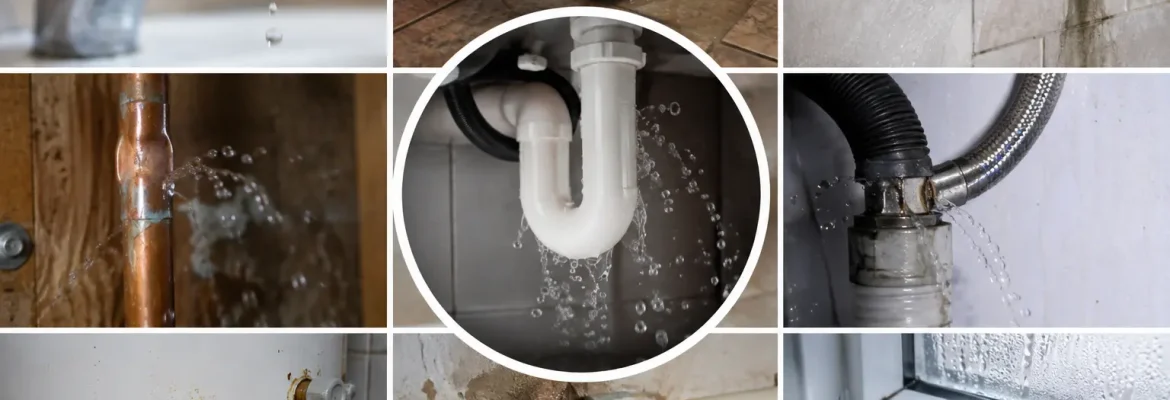
A water leak does not always begin where you first notice the damage. Water can travel along pipes, through cabinets, underneath flooring and across framing before finally appearing somewhere visible. This is why a stain on a ceiling, moisture underneath a vanity or a damp area in the basement does not necessarily tell you exactly which plumbing component has failed.
For Barrie homeowners, understanding where plumbing leaks commonly begin can make unusual moisture much easier to recognize and explain. Kitchens, bathrooms, laundry rooms and basements all contain plumbing connections that operate under different conditions, and some components are more vulnerable to deterioration, movement, freezing or everyday wear than others.
The purpose of checking these areas is not to turn homeowners into plumbers. It is to help you understand which parts of your home deserve attention when something changes. Recognizing a potential plumbing problem early can give you an opportunity to arrange a repair before escaping water begins damaging surrounding materials.
Under Kitchen Sinks
The cabinet underneath a kitchen sink contains several possible sources of water. Supply lines deliver pressurized water to the faucet while drainage components carry used water away. Depending on the kitchen, additional connections may also serve a dishwasher, water filtration system or other equipment.
Because cleaning products, garbage bags and other household items are commonly stored underneath the sink, a small leak can remain hidden for some time. Water may collect underneath those items or gradually soak into the cabinet floor before anyone notices it.
One useful clue is determining when the moisture appears. If water is present even when the sink has not recently been used, the supply side of the plumbing may deserve attention. If moisture primarily appears while the sink is draining, the problem may involve drainage components or seals. These observations can help narrow the possibilities, but the actual source still needs to be identified before repairs are attempted.
Check underneath the kitchen sink periodically and look for moisture, staining, swelling, corrosion or mineral deposits around accessible plumbing connections. A cabinet that repeatedly becomes damp should never be considered normal.
Bathroom Sinks And Vanities
Bathroom vanities can hide leaks particularly well because the plumbing is enclosed inside cabinetry that homeowners may rarely inspect. Toiletries, cleaning products and other items can conceal moisture accumulating underneath the sink until the cabinet begins swelling or developing an unusual smell.
Faucet supply connections, shut off valves, drain assemblies and seals can all become potential sources of water. A very small leak may initially produce only a few drops, but those drops can continue day after day and gradually affect the vanity or surrounding flooring.
If you are replacing an older vanity or updating a bathroom, the renovation provides an excellent opportunity to inspect plumbing that is normally difficult to see. Installing a beautiful new fixture without addressing deteriorated connections behind it can create unnecessary problems later.
Townhouse Plumbing provides professional
bathroom sink installation and replacement services
for homeowners who are renovating or replacing older bathroom fixtures and want the plumbing connections completed properly.
Toilets And The Plumbing Around Them
Toilets are another common area where homeowners may encounter water problems. Because a toilet connects to both the home’s water supply and drainage system, moisture around the fixture can originate from different components depending on when and where it appears.
The supply line and shut off valve should remain dry during normal operation. Water appearing around those components may indicate that a connection or valve requires attention. Moisture around the base of the toilet, particularly when it appears after flushing, can point toward a different type of problem.
A toilet that rocks or moves should also be investigated. Movement can affect the connection between the fixture and the drainage system, and repeatedly using a toilet that is not properly secured may allow the problem to become worse.
Not every toilet leak creates visible water on the bathroom floor. Internal components can allow water to continuously move from the tank into the bowl, causing unnecessary water consumption while remaining almost invisible. If your toilet runs continuously, refills unexpectedly or develops moisture around its connections, Townhouse Plumbing’s
toilet repair services
can help determine what needs to be corrected.
Shut Off Valves
Shut off valves are small plumbing components with an extremely important job. They allow water to be isolated at individual fixtures or, in the case of the main shut off, throughout the home. Because many valves remain untouched for long periods, homeowners may not discover that one has deteriorated until it begins leaking or they need to use it during another plumbing problem.
Watch for moisture around the valve body and connections as well as corrosion or mineral deposits. A valve that is difficult to turn should not be forced aggressively because damaging it can create a more serious leak.
The condition of these valves becomes particularly important during an emergency. Being able to quickly isolate a leaking toilet or sink can prevent a manageable fixture problem from allowing water to spread through the surrounding room.
If your valves have become seized, corroded, damaged or unreliable, Townhouse Plumbing provides
shut off valve replacement services
to help restore dependable control over the home’s water supply.
Laundry Room Plumbing Connections
Laundry areas contain plumbing that can easily be forgotten because much of it sits behind appliances or inside cabinets. Washing machine supply connections, drains, laundry tubs and nearby valves may receive little attention as long as the washing machine continues operating normally.
This makes occasional inspection especially important. Moisture behind a washing machine or beneath a laundry tub can remain unnoticed because those areas are not part of the home’s normal walking space. By the time water becomes visible elsewhere, it may already have affected flooring, baseboards or surrounding materials.
Pay attention to changes that occur specifically while the washing machine is filling or draining. The timing of the moisture can provide useful information about which part of the plumbing may be involved.
Laundry tubs can also deteriorate or develop problems around their faucets, drains and connections. Barrie homeowners dealing with an older or damaged laundry fixture can use Townhouse Plumbing’s
laundry tub replacement and installation services
when the existing fixture or plumbing connections need professional attention.
Basement Plumbing
Basements often contain some of the most visible plumbing in a home, particularly when ceilings or utility areas remain unfinished. This accessibility gives homeowners an advantage because pipes, valves and connections that would normally be hidden behind finished walls may be relatively easy to inspect.
Look for droplets, staining, corrosion, mineral buildup or moisture on the floor beneath exposed plumbing. If you find a wet area, look above it rather than assuming the source is located exactly where the water collected. Water can follow a pipe before dripping from a completely different point.
Finished basements require additional awareness because plumbing may be concealed above ceilings and behind walls. New ceiling stains, damp drywall, unexplained odours or changes in finished flooring can provide early clues that moisture is present somewhere out of sight.
A basement leak should be investigated rather than repeatedly dried and forgotten. Even when the amount of visible water seems minor, the plumbing problem responsible for it may continue until the failed component is repaired.
Pipes Located Near Exterior Walls And Colder Areas
Barrie’s winters make the location of plumbing within the home particularly important. Pipes running through areas exposed to lower temperatures can face a greater risk of freezing when prolonged cold weather arrives. Exterior walls, unfinished spaces and other poorly protected areas deserve additional attention during winter.
When water freezes inside a pipe, it expands and can place significant pressure on the plumbing. A pipe may crack or split without immediately producing an obvious leak because the frozen water can temporarily restrict flow through the damaged section.
The problem may become visible during thawing. As normal water pressure returns, water can begin escaping through the damaged pipe. A homeowner may therefore believe the frozen pipe has successfully recovered because the faucet begins working again, only to discover moisture somewhere else shortly afterward.
If plumbing has frozen or you suspect a pipe has been damaged during cold weather, Townhouse Plumbing’s
burst and frozen pipe services
can help identify and repair affected plumbing before additional water damage occurs.
Plumbing Hidden Behind Bathroom Walls
Bathrooms contain a significant amount of plumbing within a relatively small area. While sink and toilet connections may be partially visible, other water and drainage lines can disappear behind finished walls and floors. When one of these concealed connections develops a problem, homeowners may notice the effects somewhere other than the bathroom itself.
A stain on the ceiling below an upstairs bathroom, dampness on the opposite side of a bathroom wall or changes in flooring can indicate that water is travelling beyond the immediate fixture area. The timing of the problem can be particularly informative. Moisture that appears after specific bathroom fixtures are used may provide an important clue about which part of the system should be investigated.
Avoid assuming that the nearest visible fixture must automatically be responsible. Water can travel through framing and along pipes before appearing, which is why professional diagnosis can prevent unnecessary opening of walls or ceilings in the wrong location.
Drain Connections Can Produce Leaks That Only Appear During Use
Some leaks remain completely hidden until water is actually being drained. Unlike pressurized water supply lines, drainage plumbing generally carries water when a fixture or appliance is being used. This means a loose or damaged drain connection may appear perfectly dry for much of the day.
A cabinet that becomes wet only after the sink drains, or moisture that appears while a washing machine is discharging water, can provide an important clue. The plumbing may not be leaking continuously, but every use of the fixture can allow additional water to escape.
Drainage problems can also create other symptoms. Slow drainage, unusual sounds and recurring backups may indicate that the drainage system requires attention even when no visible leak has developed. Townhouse Plumbing provides
professional drain snaking services
for homeowners dealing with slow or obstructed household drains.
Older Plumbing Connections And Previous Repairs
Homes change over time. Fixtures are replaced, bathrooms are renovated, appliances are installed and individual sections of plumbing may be repaired while the rest of the system remains untouched. As a result, the age of the home does not necessarily tell you the age or condition of every plumbing component inside it.
Older connections can deteriorate through years of use, while previous repairs may introduce components of different ages into the same plumbing system. When purchasing or maintaining an older Barrie home, it is useful to understand which areas have been updated and which plumbing may have remained in place for many years.
Visible corrosion, repeated repairs in the same location or plumbing that consistently creates problems deserves closer attention. Repeatedly correcting the symptom without understanding why the same area continues failing can become more expensive than properly addressing the underlying problem.
Newer Homes Can Develop Plumbing Leaks Too
A newer home should not automatically be considered immune to plumbing leaks. Modern plumbing materials can provide excellent reliability, but connections, fixtures, valves and supply lines can still develop problems. A loose fitting, damaged component, installation issue or frozen section of pipe can allow water to escape regardless of how recently the house was constructed.
Homeowners sometimes dismiss moisture in a newer property because they assume the plumbing is too new to be responsible. That assumption can give a small problem additional time to affect surrounding materials.
The better approach is to judge the plumbing by how it is behaving rather than simply by its age. If an area that should remain dry becomes wet, a fixture begins behaving differently or water consumption changes without explanation, investigate the cause.
Why The Location Of Visible Water Can Be Misleading
Water follows gravity, but it can also follow the surfaces it encounters along the way. It may travel horizontally along a pipe, move across framing, collect on top of a ceiling or spread underneath flooring before finally reaching a place where you can see it.
This behaviour explains why identifying plumbing leaks can sometimes be more complicated than homeowners expect. Opening the wall immediately behind a damp spot may reveal nothing because the water originated elsewhere and travelled to that location.
A plumber considers not only where the water appeared but also which plumbing is located nearby, when the moisture occurs, which fixtures were operating and whether the leak continues when those fixtures are turned off. Those details can help narrow the source before unnecessary areas of the home are disturbed.
Know The Warning Signs Of A Hidden Water Leak
Knowing where leaks commonly start is useful, but many homeowners first discover a plumbing problem through symptoms rather than by seeing the actual failed connection. An unexplained increase in water consumption, ceiling stains, bubbling paint, damp smells, unusual plumbing sounds, warped flooring and swollen cabinetry can all provide clues that water is escaping somewhere inside the home.
If you are seeing changes but cannot find the source, read our
10 signs you may have a hidden water leak in your Barrie home
to understand which symptoms deserve closer attention.
What If You Have Already Found The Leak?
Once you discover an active plumbing leak, the priority changes from detection to controlling the water and protecting the home. Depending on the source, you may be able to isolate an individual fixture using its shut off valve. More significant leaks may require the main water supply to be turned off until repairs can be completed.
If you are currently dealing with escaping water, our guide explaining
what Barrie homeowners should do first after finding a water leak
covers immediate steps, shut off valves, property protection, safety considerations and when a leak should be treated as an emergency.
Understanding Your Home Is One Of The Best Forms Of Leak Prevention
You do not need to inspect every pipe in your home every day. What matters is becoming familiar enough with the plumbing that changes are noticeable. Know where your main shut off is located. Occasionally look beneath sinks and around accessible valves. Check laundry connections and exposed basement plumbing. During Barrie winters, remain aware of plumbing located in colder parts of the home.
When something changes, investigate it. Plumbing systems are generally predictable when operating correctly. Connections that have always remained dry should continue remaining dry. Toilets should not suddenly begin running by themselves. Cabinets should not become damp, and ceiling stains should not appear without a reason.
Responding to those changes early can mean the difference between repairing one plumbing component and repairing both the plumbing and the water damage surrounding it.
Learn More About Preventing Water Leaks In Barrie Homes
The locations discussed in this guide represent some of the most common areas homeowners should watch, but understanding water leaks involves more than knowing where they begin. Seasonal conditions, hidden leak symptoms, water shut off valves and the speed at which you respond can all affect the eventual outcome.
Our
complete guide to water leaks in Barrie homes
explains how to find warning signs, reduce the risk of water damage and respond when a plumbing leak develops. It also connects the different leak-related situations Barrie homeowners may encounter throughout the year.
Have You Found Moisture Around Your Plumbing?
If you have discovered water beneath a sink, around a toilet, near a valve, inside a laundry area or anywhere else that should normally remain dry, do not allow the location of the water to convince you that you already know exactly what has failed. Identifying the actual source is the first step toward making the correct repair.
Townhouse Plumbing provides
professional leak repair services
for Barrie homeowners dealing with leaking fixtures, connections, valves, pipes and other residential plumbing problems. The goal is to determine where the water is coming from and correct the plumbing problem before continued moisture creates unnecessary damage elsewhere in the home.
If the leak is releasing water rapidly, cannot be safely isolated or is already spreading through walls, ceilings or flooring, do not wait for the situation to become more serious. Townhouse Plumbing’s
emergency plumbing services
are available for situations where immediate professional attention is required.
Whether your home is older, recently built or somewhere in between, water appearing where it does not belong deserves an explanation. Contact Townhouse Plumbing to have the source properly identified and repaired before a small leak has the opportunity to become a much larger problem.